📑 한국 말놀이: 잘잘잘 1, 2, 3 – 가락과 장단에 맞춰 배우는 한국어
Korean Word Play: Jaljaljal 1, 2, 3 – Learn Korean to the Rhythm and Beat
https://youtu.be/QLbj6bZdXSE?si=kPHB07hCtYE0uNb6
🇰🇷 (바로 위 YouTube 영상에서 동일한 말놀이 노래를 즐기실 수 있습니다.)
🇺🇸 (You can enjoy the same word-play song in the YouTube video above.)
1️⃣ 가락과 장단에 맞춰 한국어 시작해요 🎵
Start Korean to the Rhythm and Beat – Oldies but Goodies!
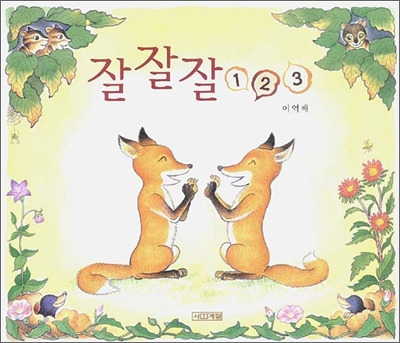
‘잘잘잘 1, 2, 3’은 한국의 전래 동요이자 말놀이로, 숫자와 같은 초성으로 시작하는 단어를 연결하여 부르는 놀이입니다.
"Jaljaljal 1, 2, 3" is a traditional Korean children's song and word play that links each number with words starting with the same initial consonant.
리듬과 비트에 맞춰 말하고 노래하며 한국어를 배우는 재미를 느낄 수 있습니다.
You can feel the fun of learning Korean by speaking and singing to the rhythm and beat.
비록 전통적인 형식이지만, 오늘날의 한국어 속에서도 자연스럽게 쓰이는 어휘와 표현을 담고 있어 실생활에도 유용합니다.
Although traditional in form, it contains vocabulary and expressions still naturally used in modern Korean, making it practical in daily life.
2️⃣ 가사와 그 뜻 📜
🇰🇷 Lyrics in Korean
하나 하면 할머니가 지팡이 짚고서 잘잘잘
둘 하면 두부 장수 두부를 판다고 잘잘잘
셋 하면 새색시가 거울을 본다고 잘잘잘
넷 하면 냇가에서 빨래를 한다고 잘잘잘
다섯 하면 다람쥐가 도토리를 줍는다고 잘잘잘
여섯 하면 여학생이 공부를 한다고 잘잘잘
일곱 하면 일꾼들이 나무를 벤다고 잘잘잘
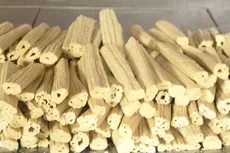
여덟 하면 엿장수가 호박엿을 판다고 잘잘잘
아홉 하면 아버지가 장보러 간다고 잘잘잘
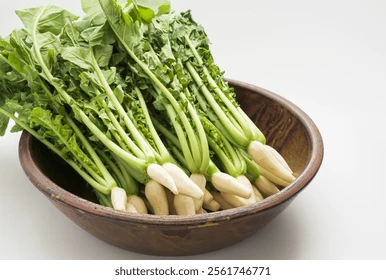
열 하면 열무 장수 열무가 왔다고 잘잘잘
🇰🇷🇺🇸 Lyrics with Meanings
하나 하면 할머니가 지팡이 짚고서 잘잘잘
When it's "one", grandmother walks holding a cane — jaljaljal.
둘 하면 두부 장수 두부를 판다고 잘잘잘
When it's "two", the tofu seller sells tofu — jaljaljal.
셋 하면 새색시가 거울을 본다고 잘잘잘
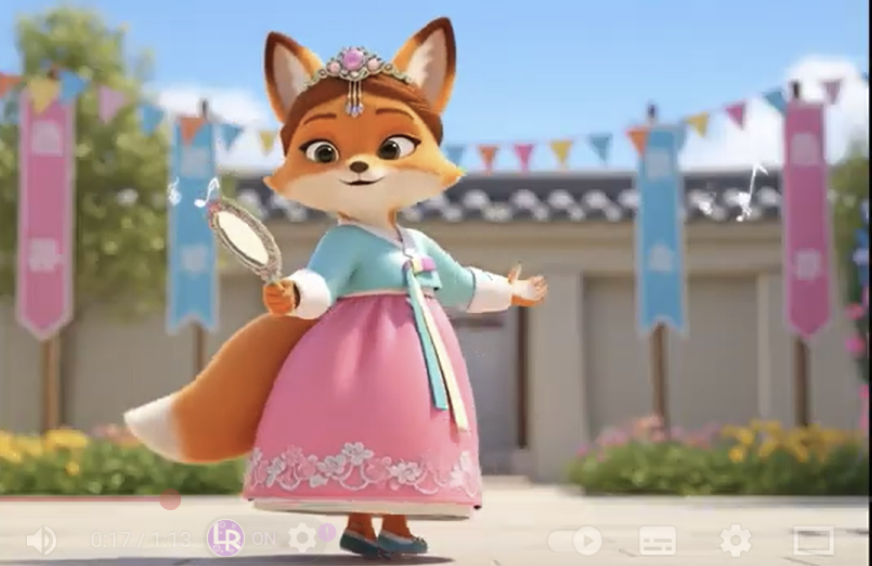
When it's "three", the bride looks in the mirror — jaljaljal.
넷 하면 냇가에서 빨래를 한다고 잘잘잘
When it's "four", by the stream, people do laundry — jaljaljal.
다섯 하면 다람쥐가 도토리를 줍는다고 잘잘잘
When it's "five", the squirrel picks up acorns — jaljaljal.
여섯 하면 여학생이 공부를 한다고 잘잘잘
When it's "six", the schoolgirl studies — jaljaljal.
일곱 하면 일꾼들이 나무를 벤다고 잘잘잘
When it's "seven", the workers cut trees — jaljaljal.
여덟 하면 엿장수가 호박엿을 판다고 잘잘잘
When it's "eight", the taffy seller sells pumpkin taffy — jaljaljal.
아홉 하면 아버지가 장보러 간다고 잘잘잘
When it's "nine", father goes grocery shopping — jaljaljal.
열 하면 열무 장수 열무가 왔다고 잘잘잘
When it's "ten", the young radish seller announces the young radish has arrived — jaljaljal.
3️⃣ 오늘 배울 말은 이거예요 📚
Today’s Vocabulary List
🔢 숫자 말 / Number Words
한국어 발음기호 영어 뜻
| 하나 | /ˈha.na/ | one |
| 둘 | /tul/ | two |
| 셋 | /set/ | three |
| 넷 | /net/ | four |
| 다섯 | /ˈda.sʌt/ | five |
| 여섯 | /ˈjʌ.sʌt/ | six |
| 일곱 | /ˈil.gop/ | seven |
| 여덟 | /ˈjʌ.dʌl/ | eight |
| 아홉 | /ˈa.hop/ | nine |
| 열 | /jʌl/ | ten |
👩🌾 사람·직업 말 / People & Occupation Words
한국어 발음기호 영어 뜻
| 할머니 | /ˈhal.mʌ.ni/ | grandmother |
| 두부 장수 | /ˈtu.bu ˈtɕaŋ.su/ | tofu seller |
| 새색시 | /ˈsɛ.sɛk.ɕi/ | bride |
| 여학생 | /ˈjʌ.hak.sɛŋ/ | schoolgirl |
| 일꾼 | /ˈil.kun/ | worker |
| 엿장수 | /ˈjʌt.tɕaŋ.su/ | taffy seller |
| 아버지 | /ˈa.bʌ.dʑi/ | father |
| 열무 장수 | /ˈjʌl.mu ˈtɕaŋ.su/ | young radish seller |
🎯 동작·상황 표현 / Action & Situation Expressions
한국어 표현 발음기호 영어 뜻
| 지팡이를 짚다 | /tɕiˈpaŋ.i.rɯl tɕip.t͈a/ | to hold a walking stick |
| 두부를 팔다 | /ˈtu.bu.rɯl pʰal.da/ | to sell tofu |
| 거울을 보다 | /ˈkʌ.ul.ɯl po.da/ | to look in the mirror |
| 빨래를 하다 | /ˈpal.lɛ.rɯl ha.da/ | to do laundry |
| 도토리를 줍다 | /toˈtʰo.ri.rɯl tɕup.t͈a/ | to pick up acorns |
| 공부를 하다 | /ˈkoŋ.bu.rɯl ha.da/ | to study |
| 나무를 베다 | /ˈna.mu.rɯl pe.da/ | to cut down a tree |
| 호박엿을 팔다 | /ˈho.bak.jʌs.ɯl pʰal.da/ | to sell pumpkin taffy |
| 장보러 가다 | /ˈtɕaŋ.bo.rʌ ka.da/ | to go grocery shopping |
| 열무가 왔다고 하다 | /ˈjʌl.mu.ga wat.t͈a.go ha.da/ | to announce young radish has arrived |
4️⃣ 가사로 대화해 볼까요? 💬
Let’s Make Conversations from the Lyrics
A: 하나 하면 뭐가 생각나요?
A: What comes to mind when you hear "hana"?
B: 할머니가 지팡이를 짚는 장면이요.
B: A grandmother holding a walking stick.
A: 여덟 하면요?
A: What about "yeodeol"?
B: 엿장수가 호박엿을 파는 모습이요.
B: A taffy seller selling pumpkin taffy.
A: 열 하면 어떤 장면이에요?
A: What scene do you imagine for "yeol"?
B: 열무 장수가 열무가 왔다고 외치는 장면이요.
B: A young radish seller shouting that the radish has arrived.
5️⃣ 살아있는 한국어 팁 💡
Tips for Vivid Korean
한국어 숫자에는 고유어와 한자어가 있습니다.
Korean numbers have native forms and Sino-Korean forms.
고유어 (Native Korean numbers):
하나 (hana), 둘 (dul), 셋 (set), 넷 (net), 다섯 (daseot), 여섯 (yeoseot), 일곱 (ilgop), 여덟 (yeodeol), 아홉 (ahop), 열 (yeol)
한자어 (Sino-Korean numbers):
일(一) (il), 이(二) (i), 삼(三) (sam), 사(四) (sa), 오(五) (o), 육(六) (yuk), 칠(七) (chil), 팔(八) (pal), 구(九) (gu), 십(十) (sip)
잘잘잘에서는 고유어 숫자를 사용하여 친근하고 부드러운 느낌을 줍니다.
In "Jaljaljal", native numbers are used to create a friendly, soft feeling.
6️⃣ 직접 해봐요 📝
On Your Own
초성을 지켜서 새로운 가사를 만들어 보세요.
Make new lyrics while keeping the initial consonant.
예:
- 하나 하면 할머니가 허리를 편다고 / 하품을 한다고 / 하와이를 간다고 ...
- 둘 하면 두부 장수 두 손을 흔든다고
- 셋 하면 새색시가 새 구두를 신는다고
하나 하면 할머니가 지팡이 짚고서 잘잘잘
둘 하면 두부 장수 종을 친다고 잘잘잘
셋 하면 새색시가 시집을 간다고 잘잘잘
넷 하면 냇가에서 빨래를 한다고 잘잘잘
다섯 하면 다람쥐가 알밤을 깐다고 잘잘잘
여섯 하면 여우가 재주를 넘는다고 잘잘잘
일곱 하면 일곱시에 학교를 간다고 잘잘잘
여덟 하면 여학생이 공부를 한다고 잘잘잘
아홉 하면 아버지가 구두를 신고서 잘잘잘
열 하면 열무장수 열무를 판다고 잘잘잘
7️⃣ 이렇게 하면 더 잘 외워져요 🧠
Tips to Remember Better
- 리듬에 맞춰 읽기
Read with rhythm
노래처럼 리듬을 타면 기억이 오래갑니다.
Reading with rhythm like a song helps with memory retention. - 동작을 하면서 말하기
Act while speaking
"지팡이를 짚다" 같은 동작을 하며 말하면 더 잘 기억됩니다.
Acting out "holding a walking stick" makes it easier to remember. - 나만의 가사를 새로 만들어 봐요
Make your own lyrics
숫자와 같은 초성의 단어로 새로운 문장을 만들어 보세요.
Create new sentences using words with the same initial consonants as the numbers.
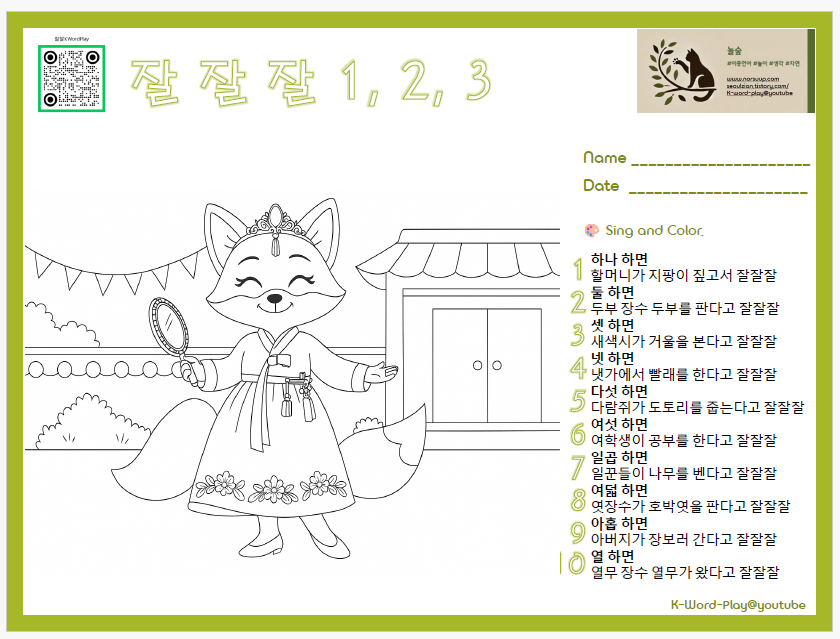
📝활동지 & QR 코드 worksheet download
활동지 다운 받으세요~ 색칠하면서 노래 불러 보세요~
Download the worksheet! 🎨 Sing along while you color!
📱 큐알코드 찍으면 바로 가기!
Scan the QR code to go directly!

더 많은 이야기가 이어질 거예요!
채널 고정!
More to come!
Stay tuned!
@ 서울 사람 Seoul Zian 서울지앵
#한국말놀이 #KoreanWordPlay
#전래동요 #KoreanChildrenSong
#숫자공부 #LearnKoreanNumbers
#고유어숫자 #NativeKoreanNumbers
#한자어숫자 #SinoKoreanNumbers
#한국어학습 #LearnKorean
#한국어표현 #KoreanExpressions
#실생활한국어 #EverydayKorean
#리듬으로배우는한국어 #LearnKoreanWithRhythm
#노래로배우는한국어 #LearnKoreanThroughSongs
#초성말놀이 #InitialConsonantGame
#BilingualLearning #이중언어학습
#KoreanCulture #한국문화
#KoreanVocabulary #한국어단어
#한국어동사 #KoreanVerbs
#감정어휘 #EmotionalVocabulary
#FunKorean #재미있는한국어
#KidsKorean #어린이한국어
#KoreanForBeginners #초급한국어
#LearnKoreanEasily #쉽게배우는한국어
#StudyKorean #한국어공부
#WordGame #단어놀이
#KoreanThroughPlay #놀이로배우는한국어
#KoreanSong #한국노래
#Hangul #한글
#KoreanLanguageLearning #한국어배우기
#한국유아교육 #KoreanEarlyEducation
#KoreanPronunciation #한국어발음


