🌳 가자가자 감나무 – 말놀이 한국어 Gaja Gaja Gamnamu – Learn Korean with Korean Word Play & Rhythm
https://youtu.be/GbZ4mYGM16A?si=I1XeqKmRpVqOOBaG
🇰🇷 (바로 위의 YouTube 영상에서 동일한 말놀이 노래를 즐기실 수 있습니다.)
🇺🇸 (You can enjoy the same word-play song in the YouTube video above.)
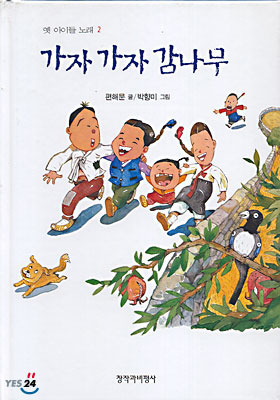
🌳 가자 가자 감나무
🍂 가을에 아이들과 부르기 좋은 한국 전통 말놀이예요. 다양한 나무를 배우고 한국어 소리도 즐겨 보세요.
🌳 It’s a traditional Korean word play song that’s perfect to sing with children in autumn. Learn the names of different trees and enjoy the sounds of the Korean language.
1️⃣ 가락과 장단에 맞춰 한국어 시작해요 🎵
Start Korean to the Rhythm and Beat – Oldies but Goodies!
🇰🇷 ‘가자 가자 감나무’는 다양한 나무 이름을 리듬과 장단에 맞춰 부르는 전래 말놀이 노래입니다.
🇺🇸 “Gaja Gaja Gamnamu” is a traditional Korean word play song that introduces different trees in a rhythmic and playful way.
🇰🇷 첫소리를 맞추거나 의미를 재치 있게 연결해 재미를 주며, 아이들이 한국어 단어와 문화를 자연스럽게 배울 수 있게 합니다.
🇺🇸 It uses matching initial sounds or witty associations, making it fun and helping children naturally learn Korean words and culture.
2️⃣ 🇰🇷 가사 📜
Lyrics in Korean
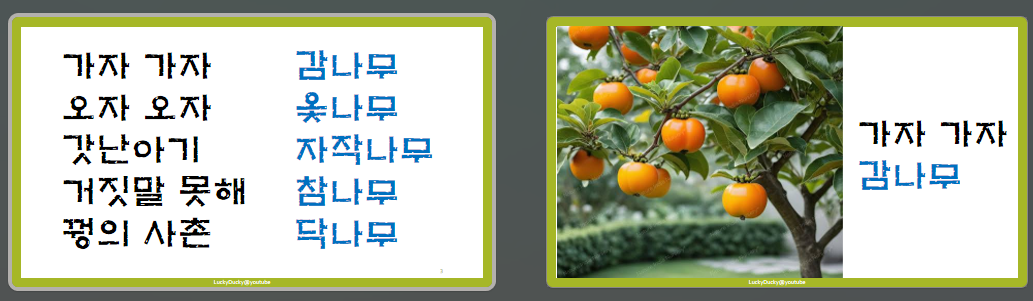
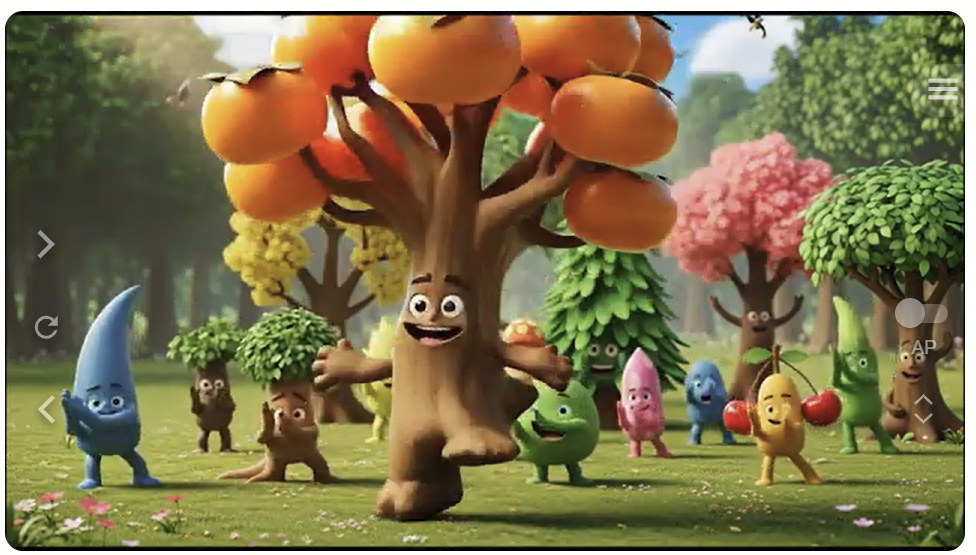
가자 가자 감나무
오자 오자 옻나무
갓난아기 자작나무
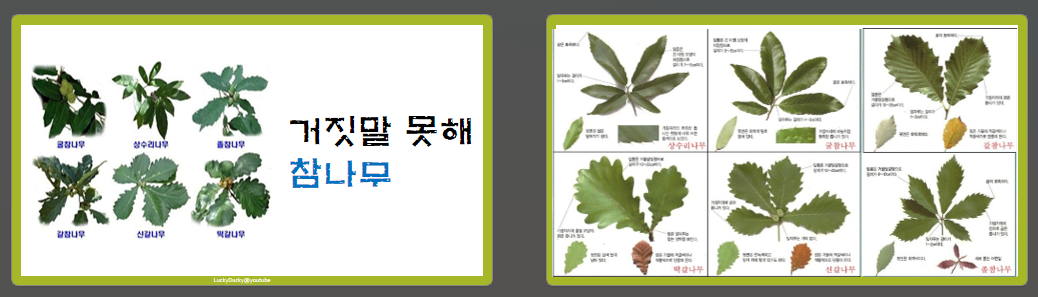
거짓말 못해 참나무
꿩의 사촌 닥나무
낮에 봐도 밤나무
너하고 나하고 살구나무
입맞추자 쪽나무
동지섣달 사시나무
따끔따끔 가시나무
바람 솔솔 소나무
방귀뀌는 뽕나무
십 리 절반 오리나무
아흔 지나 백양나무
앵돌아져 앵두나무
칼로 찔러 피나무
업어졌다 엄나무
자빠졌다 잣나무
서울 가는 배나무
2️⃣-2 🇰🇷🇺🇸 가사와 그 뜻 📜
Lyrics with Meanings
1.
🇰🇷 가자 가자 감나무
🇺🇸 Let’s go, let’s go to the persimmon tree
👉 Wordplay: Both ga (go) and gam (persimmon) start with the same initial consonant ㄱ (g). → alliteration with initial sound
2.
🇰🇷 오자 오자 옻나무
🇺🇸 Come, come to the lacquer tree
👉 Wordplay: Both o (come) and ot (lacquer) share the same vowel ㅗ (o). → assonance with vowel sound
3.
🇰🇷 갓난아기 자작나무
🇺🇸 Newborn baby, birch tree
👉 Wordplay: Connection of image — a newborn baby (gatnanagi) and a young birch tree (jajaknamu). → semantic association
4.
🇰🇷 거짓말 못해 참나무
🇺🇸 Can’t lie, true tree (chamnamu)
👉 Wordplay: cham means “true” in Korean and also appears in chamnamu (oak). → pun with homonym (“cham” = true / oak tree)
5.
🇰🇷 꿩의 사촌 닥나무
🇺🇸 Pheasant’s cousin, paper mulberry tree
👉 Wordplay: Humorous association. daknamu (paper mulberry) produces fibers for Korean paper (hanji). Linking it with a pheasant (kkwong) is nonsensical humor. → semantic play (nonsense rhyme)
6.
🇰🇷 낮에 봐도 밤나무
🇺🇸 Even in the daytime, chestnut tree
👉 Wordplay: bam means both “night” and “chestnut.” → homonym pun (night vs. chestnut)
7.
🇰🇷 너하고 나하고 살구나무
🇺🇸 You and I, apricot tree (salgu)
👉 Wordplay: salgu (apricot) sounds like salgo (to live). → sound similarity pun
8.
🇰🇷 입맞추자 쪽나무
🇺🇸 Let’s kiss, indigo tree (jjoknamu)
👉 Wordplay: jjok is both the tree’s name and the sound effect for a kiss in Korean. → onomatopoeia pun (“jjok” = kiss sound)
9.
🇰🇷 동지섣달 사시나무
🇺🇸 In the midwinter month, trembling poplar
👉 Wordplay: sasi is the mimetic word for trembling, and sasinamu (aspen) literally means trembling tree. → mimetic association
10.
🇰🇷 따끔따끔 가시나무
🇺🇸 Prickly thorn tree
👉 Wordplay: ttakkeum-ttakkeum is the mimetic word for stinging, connected with gasi (thorn). → onomatopoeia + semantic link
11.
🇰🇷 바람 솔솔 소나무
🇺🇸 Breeze blowing through the pine tree
👉 Wordplay: solsol mimics the breezing wind, and sonamu (pine tree) also contains sol. → onomatopoeia + sound repetition
12.
🇰🇷 방귀 뀌는 뽕나무
🇺🇸 Farting mulberry tree
👉 Wordplay: ppong is the Korean sound effect for a fart, identical with ppongnamu (mulberry). → onomatopoeia pun
13.
🇰🇷 십 리 절반 오리나무
🇺🇸 Half of ten ri, alder tree (ori)
👉 Wordplay: ori means “alder tree,” “duck,” and “five ri” (a Korean distance unit). → homonym pun
14.
🇰🇷 아흔 지나 백양나무
🇺🇸 After ninety comes hundred, white poplar tree (baekyangnamu)
👉 Wordplay: baek means 100 in numbers, and also appears in baekyang (white poplar). → number pun (100 vs. tree name)
15.
🇰🇷 앵돌아져 앵두나무
🇺🇸 Sulking, cherry tree (aengdu)
👉 Wordplay: aeng sound repetition (aeng-dorada = sulk, aengdu = cherry). → alliteration + sound echo
16.
🇰🇷 칼로 찔러 피나무
🇺🇸 Stab with a knife, blood tree (pi namu = linden)
👉 Wordplay: pi means “blood,” and also in pinamu (linden). → homonym pun
17.
🇰🇷 업어졌다 엄나무
🇺🇸 Carried on the back, kalopanax tree (eomnamu)
👉 Wordplay: Repetition of eom sound. → alliteration with initial sound
18.
🇰🇷 자빠졌다 잣나무
🇺🇸 Fell down, pine nut tree (jatnamu)
👉 Wordplay: ja and jat share the same initial consonant ㅈ (j). → alliteration with initial sound
19.
🇰🇷 서울 가는 배나무
🇺🇸 Pear tree going to Seoul
👉 Wordplay: bae means “pear,” “boat,” and “belly.” → polysemy pun
3️⃣ 오늘 배울 말은 이거예요 📚
Today’s Vocabulary List
🌳 나무 이름 Words for Trees
- 감나무 (gamnamu) – persimmon tree
- 옻나무 (otnamu) – lacquer tree
- 자작나무 (jajaknamu) – birch tree
- 참나무 (chamnamu) – oak tree
- 닥나무 (daknamu) – paper mulberry
- 밤나무 (bamnamu) – chestnut tree
- 살구나무 (salgunamu) – apricot tree
- 쪽나무 (jjoknamu) – indigo tree
- 사시나무 (sasinamu) – aspen / trembling poplar
- 가시나무 (gasinamu) – thorn tree
- 소나무 (sonamu) – pine tree
- 뽕나무 (ppongnamu) – mulberry tree
- 오리나무 (orinamu) – alder tree
- 백양나무 (baekyangnamu) – white poplar
- 앵두나무 (aengdunamu) – cherry tree
- 피나무 (pinamu) – linden tree
- 엄나무 (eomnamu) – kalopanax tree
- 잣나무 (jatnamu) – Korean nut pine
- 배나무 (baenamu) – pear tree
👉 총 19가지 나무 이름이 나오며,
- 일부는 동음이의어/중의성으로 말놀이에 사용되고 (예: 밤 = night/chestnut, 피 = blood/linden),
- 일부는 의성어·의태어와 결합해 재미를 주고 (예: 뽕=방귀 소리, 솔솔=바람 소리),
- 또 일부는 첫소리 반복이나 모음 반복으로 리듬을 만듭니다.
👉 A total of 19 different trees appear in the song.
Some are used as puns or wordplay with homonyms/multiple meanings (e.g., bam = night/chestnut, pi = blood/linden).
Some are combined with onomatopoeia or mimetic words for playful effect (e.g., ppong = fart sound, solsol = breezing sound).
And some create rhythm through alliteration or vowel repetition (e.g., ga–gam, o–ot).
🎯 의성어·의태어 Onomatopoeia & Expressions
- 솔솔 (solsol) – 바람이 부드럽게 부는 소리 (gentle breeze)
- 예문: 바람이 솔솔 분다.
- 영어: The wind is breezing gently.
- 뽕 (ppong) – 방귀 소리 (fart sound)
- 예문: 아기가 방귀를 뽕 하고 뀌었다.
- 영어: The baby farted with a “ppong” sound.
- 따끔따끔 (ttakkeum-ttakkeum) – 찌르는 듯 따갑고 아린 느낌 (pricking, stinging)
- 예문: 어제 모기가 문 곳이 아직도 따끔따끔하다.
- 영어: The place where the mosquito bit me still stings.
- 앵 (aeng) – ‘앵돌다(삐치다)’와 ‘앵두(체리)’에서 겹치는 의태적 소리 (sulking/turning sound)
- 예문: 아이가 삐져서 얼굴이 앵 돌아갔다.
- 영어: The child sulked and turned their face away.

4️⃣ 가사로 대화해 볼까요? 💬
Let’s Make Conversations from the Lyrics
🇰🇷 A: “방귀 뀌는 뽕나무”는 왜 이렇게 말하나요?
🇺🇸 A: Why do they say “the farting mulberry tree”?
🇰🇷 B: 한국어에서 방귀 소리를 “뽕”이라고 표현하기 때문에 그렇게 부르는 거예요.
🇺🇸 B: Because in Korean, the sound of a fart is expressed as “ppong.”
🇰🇷 A: “가자가자 감나무”는 무슨 원리인가요?
🇺🇸 A: What’s the idea behind “Gaja Gaja Gamnamu”?
🇰🇷 B: “가”와 “감”처럼 첫소리를 맞추어 리듬감을 주는 말놀이예요.
🇺🇸 B: It’s word play that matches initial sounds, like “ga” and “gam,” to create rhythm.
5️⃣ 살아있는 한국어 팁 💡
Tips for Vivid Korean
🇰🇷 한국 전래동요에는 첫소리 맞추기와 의성어·의태어가 자주 쓰입니다.
🇺🇸 In Korean traditional songs, initial sound matching and onomatopoeia are often used.
🇰🇷 이런 말놀이는 단어 학습뿐 아니라 한국인의 언어 감각과 유머를 이해하는 데도 도움이 됩니다.
🇺🇸 This kind of word play helps learners understand not only vocabulary but also Korean linguistic sense and humor.
6️⃣ 직접 해봐요 📝
On Your Own
🇰🇷 가사 속 나무를 이용하되, 자신만의 취향에 맞게 내용을 바꿔서 새로운 가사를 만들어 보세요.
원래 가사에 나온 나무를 그대로 사용해도 좋고, 새로운 나무를 넣어도 괜찮습니다.
🇺🇸 Using the trees in the lyrics, change the lines to fit your own taste and create new lyrics.
You can keep the original trees from the song or add completely new ones.
✨ 예시 Examples
- 가자가자 갓나무
Gaja gaja gatnamu (let’s go, let’s go to the hat tree) - 사각사각 사과나무 🍎
Sagak sagak sagwanamu (crunchy apple tree) - 참자참자 참나무 🌳
Chamja chamja chamnamu (true oak tree) - 복덩어리 복숭아나무 🍑
Bokdeongeori boksunganamu (lucky peach tree) - 빠르기도 하지 화살나무 🏹
Ppareugido haji hwasalnamu (so fast, arrow tree)
📌 가이드라인 (Guidelines)
- 첫소리 맞추기 (Alliteration)
- 같은 자음이나 모음으로 시작하는 단어를 붙여 보세요.
- 예: 가자가자 감나무 → 빠르다 빠르다 파인애플 나무
- 의성어·의태어 활용하기 (Onomatopoeia & Mimetic Words)
- 소리나 움직임을 나타내는 단어를 넣어 보세요.
- 예: 사각사각 사과나무 (crunchy apple tree), 솔솔 바람나무 (breezy wind tree)
- 의미 연결하기 (Semantic Association)
- 나무 이름과 어울리는 상황이나 이미지를 연결해 보세요.
- 예: 복덩어리 복숭아나무 (lucky peach tree), 달콤달콤 대추나무 (sweet jujube tree)
- 상상력 발휘하기 (Use Imagination)
- 실제로 없는 나무를 만들어도 괜찮습니다.
- 예: 노래하는 음악나무 (singing music tree), 반짝이는 별나무 (shining star tree)
7️⃣ 이렇게 하면 더 잘 외워져요 🧠
Tips to Remember Better
- 그림이나 사진과 함께 나무 이름을 외워 보세요.
Memorize tree names with pictures or drawings. - 의성어는 소리를 내면서 따라 해 보세요.
Act out and say the onomatopoeia out loud. - 리듬에 맞춰 몸을 움직이며 불러 보세요.
Move your body to the rhythm while singing.
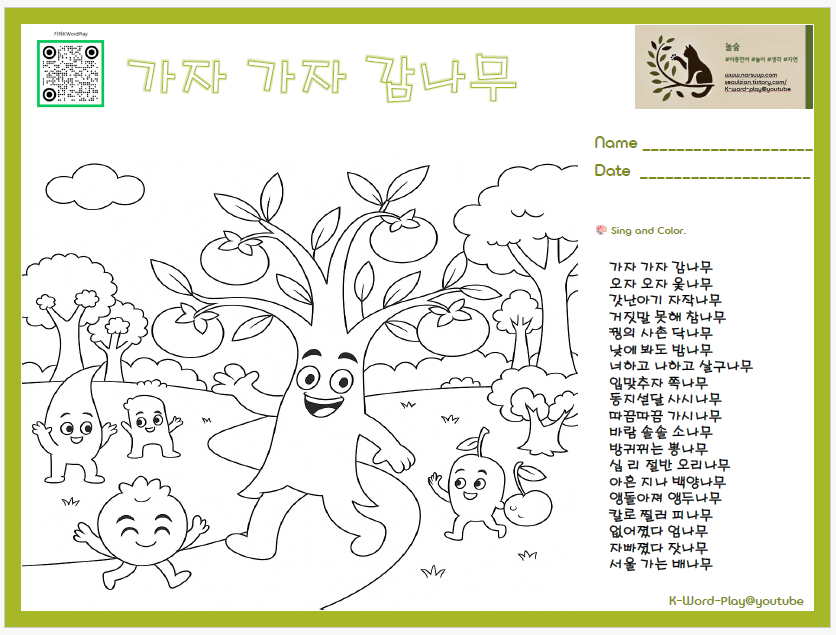
📝활동지 & QR 코드 worksheet download
활동지 다운 받으세요~ 색칠하면서 노래 불러 보세요~
Download the worksheet! 🎨 Sing along while you color!
📱 큐알코드 찍으면 바로 가기!
Scan the QR code to go directly!

더 많은 이야기가 이어질 거예요!
채널 고정!
More to come!
Stay tuned!
@ 서울 사람 Seoul Zian 서울지앵
#말놀이 #WordPlay
#전래동요 #TraditionalSong
#가자가자감나무 #GajaGajaGamnamu
#숫자놀이 #NumberPlay
#의성어의태어 #Onomatopoeia
#첫소리놀이 #Alliteration
#한국어학습 #LearnKorean
#한국문화 #KoreanCulture
#이중언어 #BilingualLearning
#놀이로배우는한국어 #KoreanThroughPlay
#리듬한국어 #KoreanWithRhythm


