📑 한국 구구단 노래: 2×1=2, 2×2=4 – 장단에 맞춰 배우는 한국어
Korean Multiplication Song: 2×1=2, 2×2=4 – Learn Korean to the Rhythm and Beat
1️⃣ 가락과 장단에 맞춰 한국어 시작해요 🎵
Start Korean to the Rhythm and Beat – Oldies but Goodies!
한국어 구구단 외우기로 한글도 배우고 숫자 감각도 길러 보세요.
Learn Korean Hangul and strengthen your number sense through memorizing the Korean multiplication tables.
구구단 노래/찬트는 한국에서 수십 년 동안 전해 내려온 익숙한 가락입니다.
The multiplication table song/chant is a familiar tune that has been passed down in Korea for decades.
보통 한국 초등학교 아이들은 1~2학년 때까지 구구단 외우기를 마칩니다.
Most Korean elementary school children finish memorizing the multiplication tables by the 1st or 2nd grade.
1부터 100까지 숫자를 한국어로 어떻게 읽는지 함께 익혀 보세요.
Practice reading numbers from 1 to 100 in Korean.
2️⃣ 가사와 그 뜻 📜
🇰🇷 Lyrics in Korean X
🇰🇷🇺🇸 Lyrics with Meanings
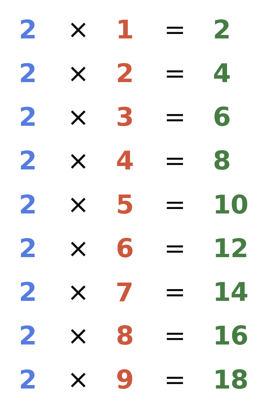
🎶 2단 🎶 2 Times Table
✨ 이 일은 이
✨ 이 이는 사
✨ 이 삼은 육
✨ 이 사 팔
✨ 이 오 십
✨ 이 육 십이
✨ 이 칠은 십사
✨ 이 팔은 십육
✨ 이 구 십팔
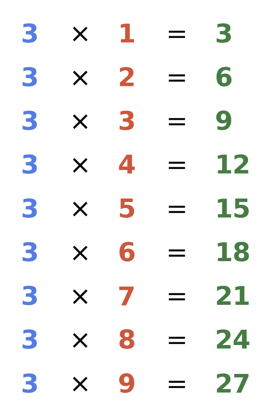
🎶 3단 🎶 3 Times Table
🌟 삼 일은 삼
🌟 삼 이는 육
🌟 삼 삼은 구
🌟 삼 사 십이
🌟 삼 오 십오
🌟 삼 육 십팔
🌟 삼 칠은 이십일
🌟 삼 팔은 이십사
🌟 삼 구 이십칠
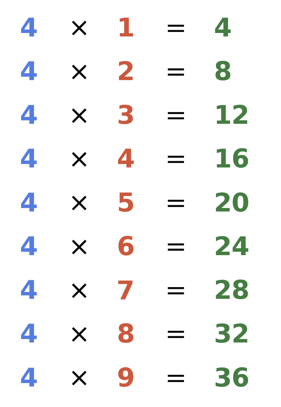
🎶 4단 🎶 4 Times Table
💫 사 일은 사
💫 사 이 팔
💫 사 삼 십이
💫 사 사 십육
💫 사 오 이십
💫 사 육은 이십사
💫 사 칠은 이십팔
💫 사 팔은 삼십이
💫 사 구 삼십육
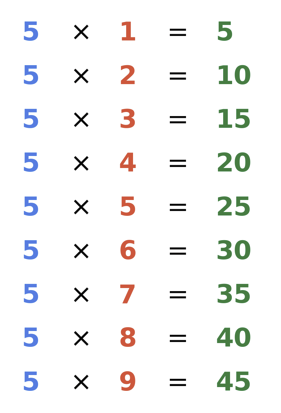
🎶 5단 🎶 5 Times Table
🌼 오 일은 오
🌼 오 이 십
🌼 오 삼 십오
🌼 오 사 이십
🌼 오 오 이십오
🌼 오 육은 삼십
🌼 오 칠은 삼십오
🌼 오 팔은 사십
🌼 오 구 사십오
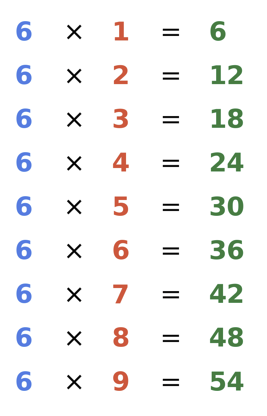
🎶 6단 🎶 6 Times Table
🌸 육 일은 육
🌸 육 이 십이
🌸 육 삼 십팔
🌸 육 사 이십사
🌸 육 오 삼십
🌸 육 육은 삼십육
🌸 육 칠은 사십이
🌸 육 팔은 사십팔
🌸 육 구 오십사
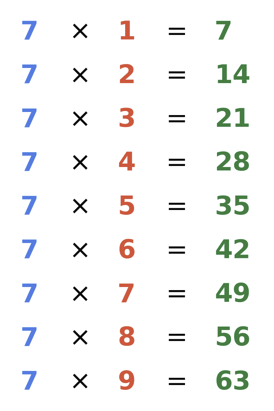
🎶 7단 🎶 7 Times Table
🌺 칠 일은 칠
🌺 칠 이 십사
🌺 칠 삼 이십일
🌺 칠 사 이십팔
🌺 칠 오 삼십오
🌺 칠 육은 사십이
🌺 칠 칠은 사십구
🌺 칠 팔은 오십육
🌺 칠 구 육십삼
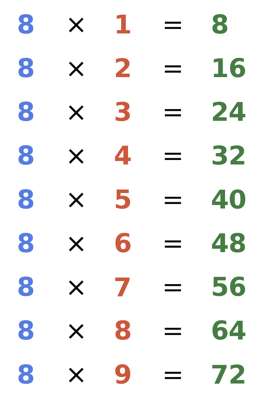
🎶 8단 🎶 8 Times Table
🍀 팔 일은 팔
🍀 팔 이 십육
🍀 팔 삼 이십사
🍀 팔 사 삼십이
🍀 팔 오 사십
🍀 팔 육은 사십팔
🍀 팔 칠은 오십육
🍀 팔 팔은 육십사
🍀 팔 구 칠십이
🎶 9단 🎶 9 Times Table
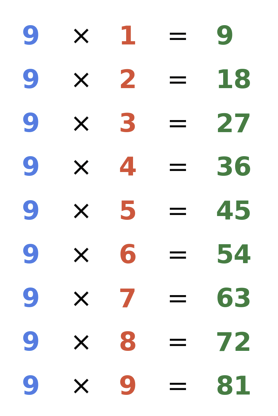
🍎 구 일은 구
🍎 구 이 십팔
🍎 구 삼 이십칠
🍎 구 사 삼십육
🍎 구 오 사십오
🍎 구 육은 오십사
🍎 구 칠은 육십삼
🍎 구 팔은 칠십이
🍎 구 구 팔십일
3️⃣ 오늘 배울 말은 이거예요 📚
Today’s Vocabulary List
💡 숫자 체계 구분 / Number Systems
👍 고유어 숫자 (Native Korean Numbers): 하나 (hana), 둘 (dul), 셋 (set) …
Native Korean Numbers: hana (one), dul (two), set (three) …
👍 한자어 숫자 (Sino-Korean Numbers): 일 (il), 이 (i), 삼 (sam) …
Sino-Korean Numbers: il (one), i (two), sam (three) …
구구단과 날짜, 전화번호, 주소 등에는 한자어 숫자를 사용합니다.
In multiplication tables, dates, phone numbers, and addresses, Sino-Korean numbers are used.
나이, 개수, 시간의 ‘시’ 단위에는 고유어 숫자를 사용합니다.
For age, counting objects, and the 'hour' unit of time, Native Korean numbers are used.
🔢 한자어 숫자 말 / Sino-Korean Number Words 1-10
| 일 | 一 | /il/ | one |
| 이 | 二 | /i/ | two |
| 삼 | 三 | /sam/ | three |
| 사 | 四 | /sa/ | four |
| 오 | 五 | /o/ | five |
| 육 | 六 | /juk/ | six |
| 칠 | 七 | /chil/ | seven |
| 팔 | 八 | /pʰal/ | eight |
| 구 | 九 | /ku/ | nine |
| 십 | 十 | /sip/ | ten |
🔢 한자어 숫자 말 / Sino-Korean Number Words 10-300
| 십 (十) | /sip/ | ten |
| 이십 (二十) | /i.sip/ | twenty |
| 삼십 (三十) | /sam.sip/ | thirty |
| 사십 (四十) | /sa.sip/ | forty |
| 오십 (五十) | /o.sip/ | fifty |
| 육십 (六十) | /juk.sip/ | sixty |
| 칠십 (七十) | /chil.sip/ | seventy |
| 팔십 (八十) | /pʰal.sip/ | eighty |
| 구십 (九十) | /ku.sip/ | ninety |
| 백 (百) | /pɛk̚/ | one hundred |
| 이백 (二百) | /i.pɛk̚/ | two hundred |
| 삼백 (三百) | /sam.pɛk̚/ | three hundred |
💡 학습 팁 / Learning Tip
한자어 숫자는 구구단, 날짜, 전화번호, 주소 등에 필수적으로 쓰입니다.
Sino-Korean numbers are essential for multiplication tables, dates, phone numbers, and addresses.
예: 이 칠 십사 → 2×7=14 (i chil sip-sa)
Example: i chil sip-sa → 2×7=14
🔢 두 자리 숫자 읽는 법 / How to Read Two-Digit Numbers
- 십 단위 + 1~9 (한자어 숫자)
- Tens place + 1~9 (Sino-Korean numbers)
예: 이 팔은 십육 → 2×8=16 (i pal sip-yuk)
Example: i pal sip-yuk → 2×8=16
예: 구 칠은 육십삼 → 9×7=63 (gu chil yuk-sip-sam)
Example: gu chil yuk-sip-sam → 9×7=63
🔢 세 자리 숫자 읽는 법 / How to Read Three-Digit Numbers
- 백 단위 + 십 단위 + 1~9 (한자어 숫자)
- Hundreds place + tens place + 1~9 (Sino-Korean numbers)
예: 팔 구 칠십이 → 8×9=72 (pal gu chil-sip-i) → 두 자리
Example: pal gu chil-sip-i → 8×9=72 (two-digit example)
예: 백오십 → 150 (baek o-sip)
Example: baek o-sip → 150

💡 문법 포인트: ‘은/는’ 조사
Grammar Point: The Topic Particle ‘은/는’
구구단에서 “이 칠은 십사”라고 할 때, ‘은’은 앞의 숫자 곱셈식이 주어라는 뜻을 나타냅니다.
In the multiplication table, saying “이 칠은 십사” means that the multiplication 2×7 is the topic.
2 곱하기 7은 이라는 말을 줄여서 이칠은 이라고 간단히 말하는 것입니다.
The phrase “2 곱하기 7은” (“two times seven is”) is shortened to simply 이칠은 in spoken Korean.
받침이 있으면 ‘은’, 받침이 없으면 ‘는’을 씁니다.
Use ‘은’ after a final consonant and ‘는’ after a vowel.
예: 이 칠은 십사 / 이 사는 팔
Example: i chil-eun sip-sa / i sa-neun pal
📚 추가 예문 / More Examples
여행은 신난다.
As for traveling, it is exciting.
책은 친구다.
As for books, they are friends.
공부는 즐겁다.
As for studying, it is enjoyable.
한국어는 재미있다.
As for Korean, it is interesting.
5️⃣ 살아있는 한국어 팁 💡
Tips for Vivid Korean
한국어 숫자에는 고유어와 한자어가 있습니다.
Korean numbers have native forms and Sino-Korean forms.
고유어 (Native Korean numbers):
하나 (hana),
둘 (dul),
셋 (set),
넷 (net),
다섯 (daseot),
여섯 (yeoseot),
일곱 (ilgop),
여덟 (yeodeol),
아홉 (ahop),
열 (yeol)
한자어 (Sino-Korean numbers):
일(一) (il),
이(二) (i),
삼(三) (sam),
사(四) (sa),
오(五) (o),
육(六) (yuk),
칠(七) (chil),
팔(八) (pal),
구(九) (gu),
십(十) (sip)
구구단에서는 한자어 숫자를 사용합니다.
In the multiplication tables (gugudan), Sino-Korean numbers are used.
예: 이 칠 십사 = 2 × 7 = 14
Example: i chil sip-sa = 2 × 7 = 14
반면, 잘잘잘 같은 말놀이 동요에서는 고유어 숫자를 사용해 친근하고 부드러운 느낌을 줍니다.
In contrast, in wordplay songs like "Jaljaljal", native numbers are used to create a friendly, soft feeling.

더 많은 이야기가 이어질 거예요!
채널 고정!
More to come!
Stay tuned!
@ 서울 사람 Seoul Zian 서울지앵
#구구단 #MultiplicationTable
#구구단노래 #MultiplicationSong
#숫자공부 #LearnKoreanNumbers
#한국숫자 #KoreanNumbers
#고유어숫자 #NativeKoreanNumbers
#한자어숫자 #SinoKoreanNumbers
#곱셈연습 #MultiplicationPractice
#한국어학습 #LearnKorean
#한국어표현 #KoreanExpressions
#숫자로배우는한국어 #LearnKoreanWithNumbers
#리듬으로배우는한국어 #LearnKoreanWithRhythm
#노래로배우는한국어 #LearnKoreanThroughSongs
#BilingualLearning #이중언어학습
#KoreanCulture #한국문화
#KoreanVocabulary #한국어단어
#FunKorean #재미있는한국어
#KidsKorean #어린이한국어
#KoreanForBeginners #초급한국어
#LearnKoreanEasily #쉽게배우는한국어
#StudyKorean #한국어공부
#KoreanThroughPlay #놀이로배우는한국어
#KoreanSong #한국노래
#Hangul #한글
#KoreanLanguageLearning #한국어배우기
#한국유아교육 #KoreanEarlyEducation
#KoreanPronunciation #한국어발음
#숫자놀이 #NumberPlay
#수학놀이 #MathPlay
#MathInKorean #한국어로수학


