👦 한 놈 두시기 석삼 너구리 – 전래 숫자 말놀이 한국어
👦 Han Nom, Dushigi, Seoksam, Neoguri – Learn Korean with Traditional Number Word Play
https://youtu.be/4WD54KrWfv4?si=4pX8xs4qiozI9hUj
🇰🇷 (바로 위의 YouTube 영상에서 동일한 말놀이 노래를 즐기실 수 있습니다.)
🇺🇸 (You can enjoy the same word-play song in the YouTube video above.)
🌿 인트로 Intro
🇰🇷 “한 놈, 두시기, 석삼, 너구리…”라는 말놀이는 한국의 전래 숫자 세기예요. 하나(1), 둘(2), 셋(3), 넷(4) 같은 고유어 숫자의 첫소리와 맞춰서 리듬감과 재미를 주는 방식입니다.
🇺🇸 The rhyme “Han Nom, Dushigi, Seoksam, Neoguri…” is a traditional Korean way of counting. It plays with the first sounds of native Korean numbers—hana (1), dul (2), set (3), net (4)—to create rhythm and fun.
🇰🇷 이 말놀이는 단순히 숫자를 세는 것을 넘어서, 아이들이 제기차기 같은 놀이 속에서 리듬 있게 외우고 몸으로 기억할 수 있도록 도와주었어요.
🇺🇸 More than just counting, this rhyme was used in games like jegichagi (Korean hacky-sack), helping children memorize numbers rhythmically and physically.
📜 가사 & 번역 Lyrics & Translation
🇰🇷 한 놈
🇺🇸 Han Nom (One guy)
🇰🇷 두시기
🇺🇸 Dushigi (Two…)
🇰🇷 석삼
🇺🇸 Seoksam (Three…)
🇰🇷 너구리
🇺🇸 Neoguri (Four, sounds like raccoon dog 🦝)
🇰🇷 오징어
🇺🇸 Ojingeo (Five, squid 🦑)
🇰🇷 육개장
🇺🇸 Yukgaejang (Six, spicy beef soup 🍲)
🇰🇷 칠게
🇺🇸 Chilge (Seven, a small Korean crab called Chilge / Macrophthalmus japonicus 🦀)
🇰🇷 팔다리
🇺🇸 Paldari (Eight limbs)
🇰🇷 구들장
🇺🇸 Gudeuljang (Nine floor stones for heating)
🇰🇷 쨍그랑
🇺🇸 Jjaenggeurang (Ten, clinking sound 🔔)

✨ 한국어 말놀이 레슨 Korean Word Play Lesson
👉 이 숫자 말놀이는 숫자의 소리와 단어의 첫소리를 연결해서 리듬감을 주는 특징이 있어요.
👉 This counting rhyme links number sounds with initial sounds of words to create rhythm.
🔢 숫자 말놀이 대응 (Number Word Play Matching)
“한(han)” → 한 놈
🇰🇷 ‘하나(1)’의 고유어 숫자에서 시작, ‘놈’은 사람을 뜻하는 말.
🇺🇸 Han (one) → Hannom (“one guy”).
“둘(dul)” → 두시기
🇰🇷 ‘둘(2)’ 고유어에서 파생, 뒤에 장난스럽게 ‘시기’를 붙여 리듬을 만듦.
🇺🇸 Dul (two) → Dushigi.
“셋(set)” → 석삼
🇰🇷 ‘셋(3)’ 고유어와 ‘삼(三, 3)’ 한자어 발음을 섞어 재미를 줌.
🇺🇸 Set (three) → Seoksam.
“넷(net)” → 너구리
🇰🇷 ‘넷(4)’ 고유어 발음 ‘너’와 연결, 실제 동물 이름(너구리, raccoon dog)로 변형.
🇺🇸 Net (four) → Neoguri (raccoon dog 🦝).
“다섯(daseot)” → 오징어
🇰🇷 ‘다섯(5)’ 고유어와 한자어 ‘오(五, 5)’의 소리를 빌려 ‘오징어’로 연결.
🇺🇸 Daseot (five) → Ojingeo (squid 🦑).
“여섯(yeoseot)” → 육개장
🇰🇷 ‘여섯(6)’과 한자어 ‘육(六, 6)’을 대응시켜 한국 음식 이름으로 이어짐.
🇺🇸 Yeoseot (six) → Yukgaejang (spicy beef soup 🍲).
“일곱(ilgop)” → 칠게
🇰🇷 ‘일곱(7)’과 한자어 ‘칠(七, 7)’을 연결, 실제 갯벌에 사는 작은 게 이름과 겹침 (Macrophthalmus japonicus).
🇺🇸 Ilgop (seven) → Chilge (a small Korean crab 🦀).
“여덟(yeodeol)” → 팔다리
🇰🇷 ‘여덟(8)’은 한자어 ‘팔(八, 8)’과 같은 소리, 이를 신체의 ‘팔(arm)’과 이어서 ‘팔다리’.
🇺🇸 Yeodeol (eight) → Paldari (eight limbs).
“아홉(ahop)” → 구들장
🇰🇷 ‘아홉(9)’과 한자어 ‘구(九, 9)’의 소리를 활용, 한국 전통 온돌 바닥의 ‘구들장’으로 연결.
🇺🇸 Ahop (nine) → Gudeuljang (heated floor stone).
“열(yeol)” → 쨍그랑
🇰🇷 ‘열(10)’은 숫자에서 직접 파생된 단어가 아니라, 마지막에 의태어 ‘쨍그랑’(유리나 금속이 부딪히는 소리)을 붙여 마무리 효과를 줌. 숫자의 흐름이 끝났다는 걸 알리는 일종의 ‘리듬 종결어’.
🇺🇸 Yeol (ten) → Jjaenggeurang (clinking sound 🔔).
👉 이렇게 보면, 1~4는 순수 한국어 수사, 5~10은 한자어 수사가 섞여 있고, 각각의 첫소리를 살려 재미있게 변형했다는 점이 잘 드러나요.
In this way, numbers 1 through 4 come from pure Korean native numerals, while 5 through 10 are based on Sino-Korean numerals. Each word play cleverly uses the initial sound of the number to create a fun and rhythmic variation.
특히 “쨍그랑”은 10과 직접적 연관은 없지만, 끝을 화려하게 맺는 효과라고 설명할 수 있어요.
Especially, “Jjaenggeurang” (쨍그랑) does not have a direct connection to the number ten, but it serves as a finishing sound effect, giving the counting rhyme a lively and dramatic ending.
💡 문화적 배경 설명 Cultural Tip / Background
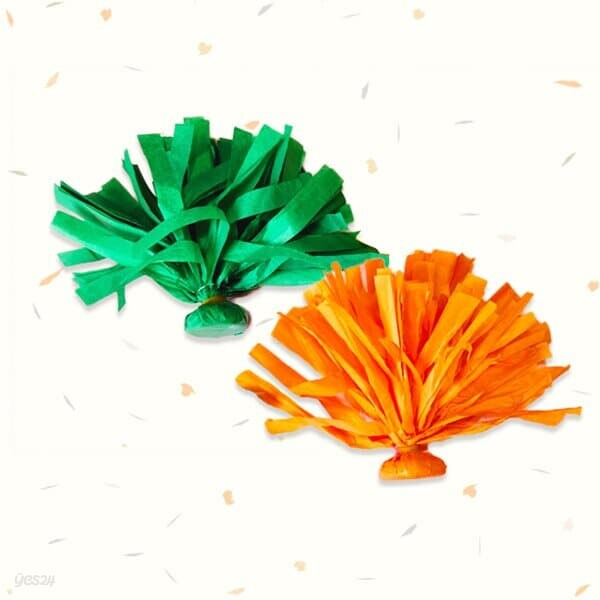
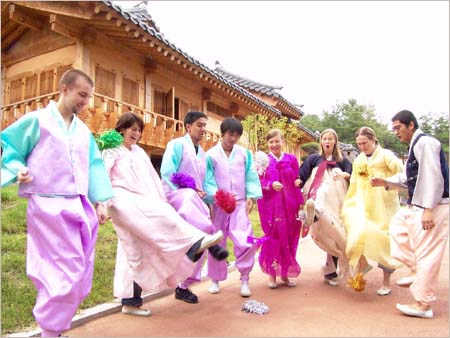
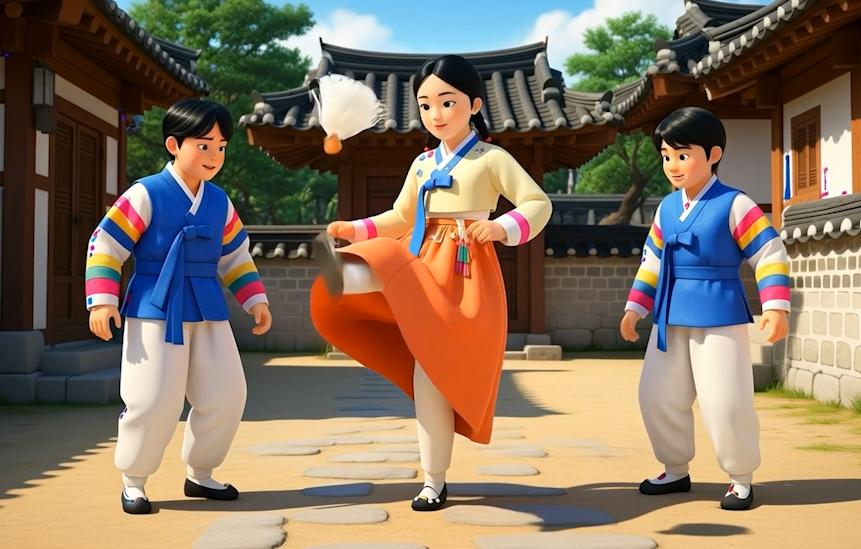
🇰🇷 이 말놀이는 제기차기와 함께 자주 쓰였어요. 제기차기는 닭의 깃털이나 종이로 만든 제기를 발로 차며 계속 공중에 띄우는 한국의 전통 놀이입니다.
🇺🇸 This rhyme was often used with jegichagi, a Korean traditional game where players kick a shuttlecock-like object (made of paper or feathers) to keep it in the air.
🇰🇷 제기가 자기 앞으로 오면 발로 차서 다른 사람에게 보내는 방식인데, 이때 숫자 말놀이를 하며 박자를 맞추어 놀았습니다.
🇺🇸 When the jegi came toward a player, they would kick it to send it to another while chanting the rhyme, making the game both rhythmic and fun.
🇰🇷 이런 놀이는 아이들의 운동신경, 리듬감, 집중력을 기르고, 여럿이 함께하면서 사회성과 협동심을 키워주는 교육적 효과도 컸습니다.
🇺🇸 Such games built children’s motor skills, rhythm, and focus, while also fostering social interaction and teamwork through group play.
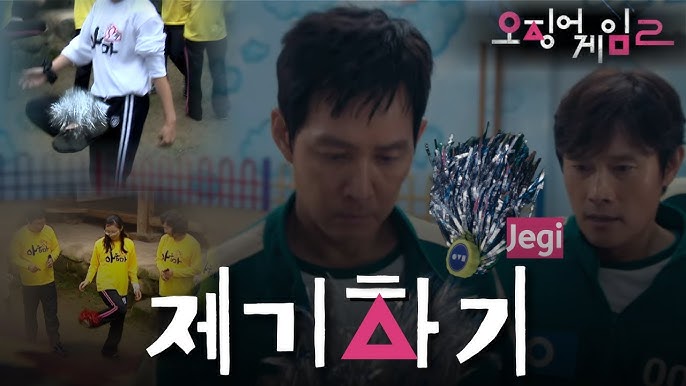
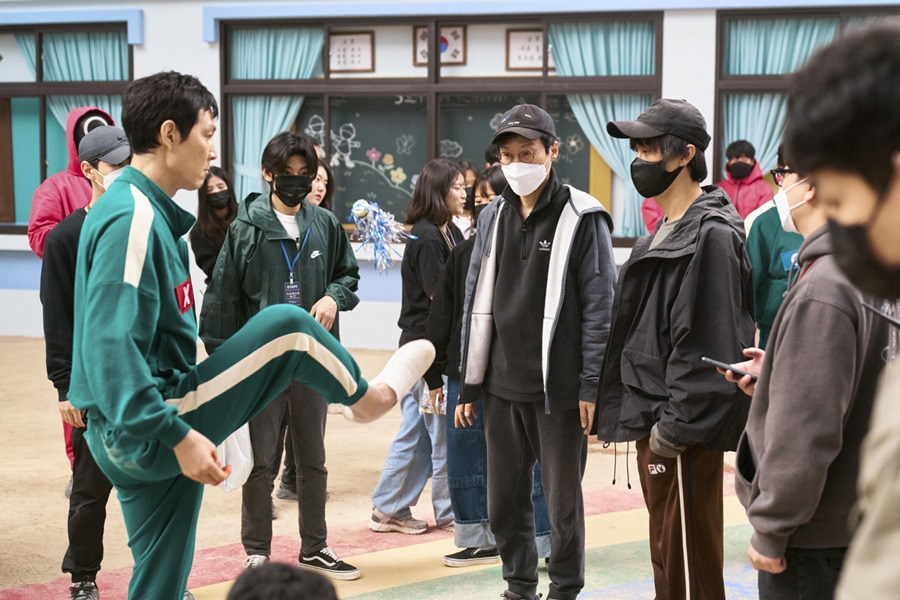
🇰🇷 최근에는 세계적으로 인기를 끈 드라마 〈오징어 게임〉(Squid Game)에 제기차기 장면이 등장하며 다시 주목을 받았습니다. 배우 이정재도 드라마 촬영 전 실제로 제기차기를 여러 번 연습했다고 알려져 있습니다.
🇺🇸 Recently, the traditional game was featured in the globally popular drama “Squid Game”, which brought renewed attention to jegichagi. Actor Lee Jung-jae reportedly practiced playing it many times before filming.
🎵 어떻게 활용할까요? How to Use It?
- 숫자를 세며 박자 맞추기 연습
Count numbers rhythmically while chanting. - 제기 대신 공이나 풍선을 차면서 응용 가능
Adapt by kicking a ball or balloon instead of a jegi. - 교실 활동으로 반복 암기 게임으로 활용
Use it in class as a repetition memory game.
📝활동지 & QR 코드 worksheet download
활동지 다운 받으세요~ 색칠하면서 노래 불러 보세요~
Download the worksheet! 🎨 Sing along while you color!
📱 큐알코드 찍으면 바로 가기!
Scan the QR code to go directly!
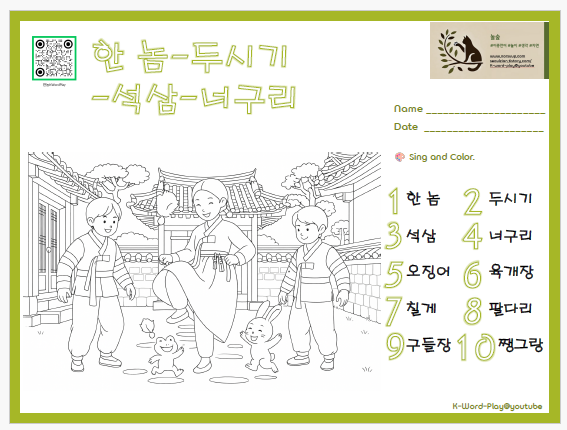
활동지 다운 받으세요~ 색칠하면서 노래 불러 보세요~ 큐알코드 찍으면 바로 가기!

더 많은 이야기가 이어질 거예요!
채널 고정!
More to come!
Stay tuned!
@ 서울 사람 Seoul Zian 서울지앵
#한국말놀이 #KoreanWordPlay
#한국어배우기 #LearnKorean
#전통놀이 #TraditionalGames
#제기차기 #Jegichagi
#숫자놀이 #NumberPlay
#한국문화 #KoreanCulture
#리듬한국어 #KoreanWithRhythm
#놀이로배우기 #PlayAndLearn
#오징어게임 #SquidGame
#이정재 #칠게


